

Laser Cladding Machines: Key Features
- High-Precision Energy Control
- Utilizes high-energy-density laser beams with precise intensity modulation, minimizing heat input and enabling localized processing.
- Ideal for heat-sensitive substrates to avoid distortion or microstructural damage.
- Extensive Material Compatibility
- Supports a wide range of materials, including metal alloys (nickel-based, cobalt-based, iron-based), ceramic composites, and custom blends.
- Enables tailored coatings for specific mechanical, thermal, or chemical resistance requirements.
- Minimal Heat-Affected Zone (HAZ)
- Focused laser beams ensure concentrated energy delivery, reducing thermal diffusion and preserving substrate integrity.
- Critical for thin-walled components, precision parts, and materials prone to thermal degradation.
- Metallurgical Bonding Strength
- Creates a fully fused, pore-free interface between the cladding layer and substrate, achieving bond strengths 3–5x higher than thermal spray methods.
- Eliminates delamination risks in high-stress environments.
- Adaptive Processing Flexibility
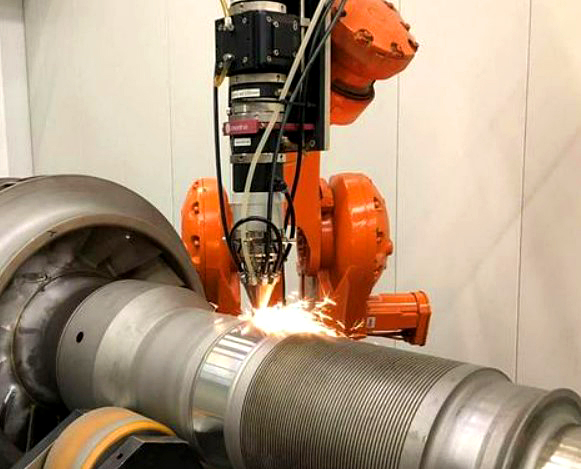
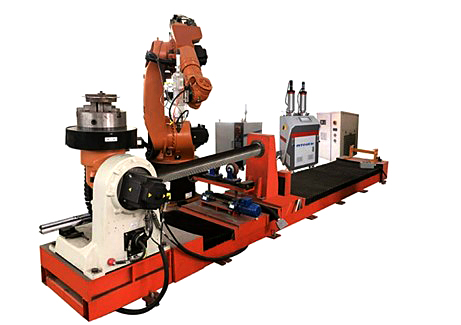
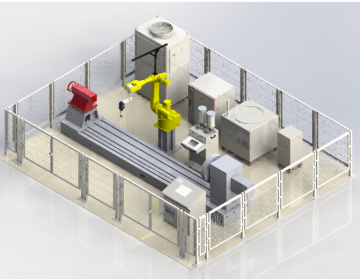
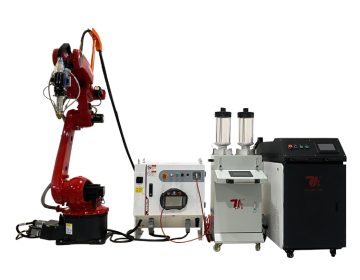
- Compatible with robotic arms, multi-axis CNC systems, and hybrid additive-subtractive workflows.
- Capable of cladding complex geometries (e.g., internal channels, turbine blades) with micron-level accuracy.
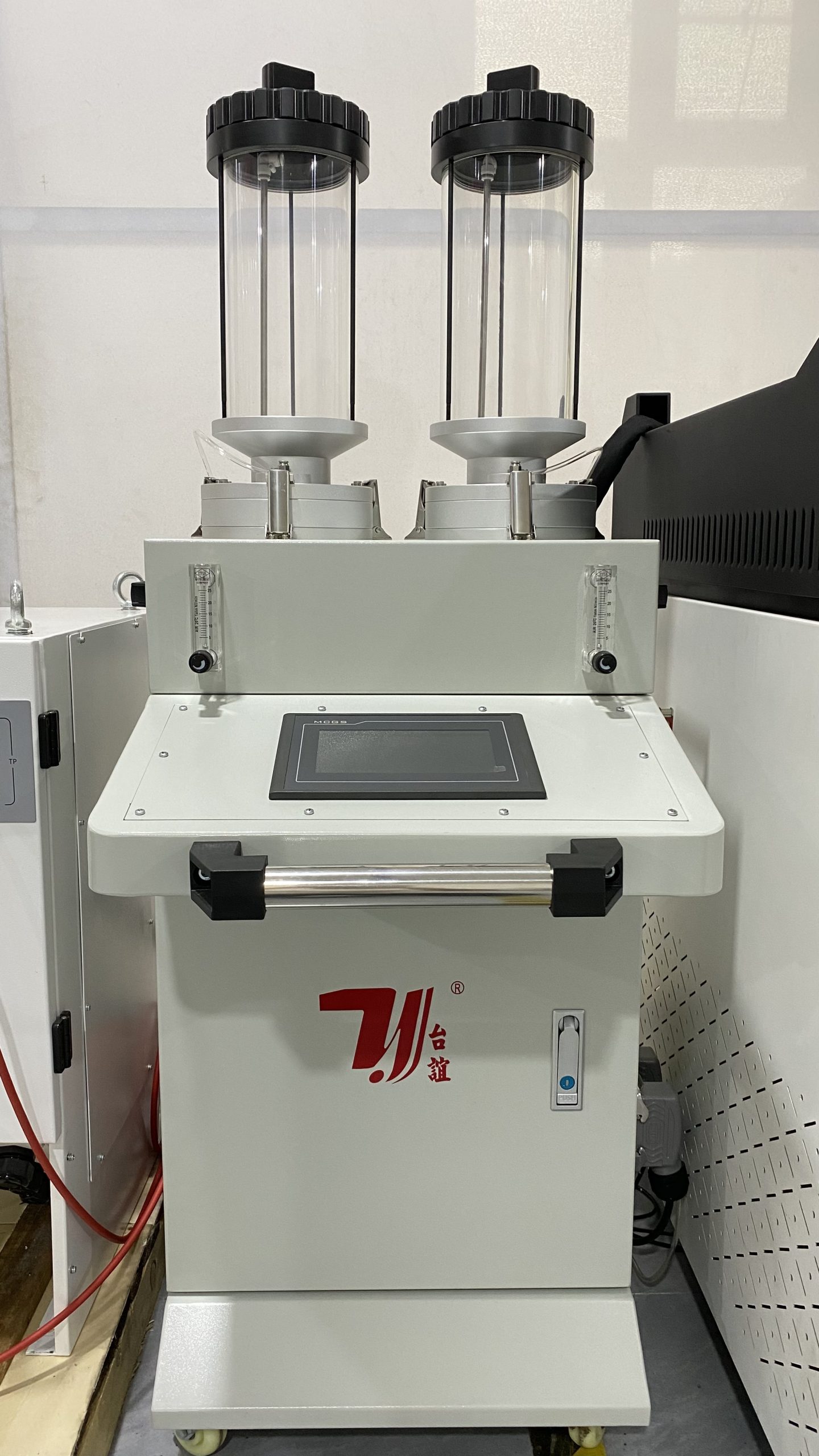
- Automated Powder/Wire Feeding
- Advanced coaxial or off-axis powder/wire delivery systems ensure uniform material distribution and process repeatability.
- Real-time monitoring and closed-loop control for consistent layer thickness and surface finish.
Core Advantages of Laser Cladding Technology
- Sustainability & Cost Efficiency
- Material utilization rates exceed 90%, drastically reducing waste compared to traditional methods.
- Enables “green remanufacturing” of high-value components (e.g., aerospace parts, industrial molds), cutting lifecycle costs by 40–60%.
- Dual-Purpose Functionality
- Restoration: Repair worn, corroded, or damaged parts (e.g., shafts, valves, dies) to original dimensions.
- Enhancement: Apply functional coatings (wear-resistant, anti-corrosive, thermal barrier) to extend service life.
- Superior Coating Performance
- Produces dense, crack-free layers with hardness up to 65 HRC and tailored porosity (<0.5%).
- Customizable microstructure via parameter optimization (e.g., laser power, scan speed, powder feed rate).
- Non-Contact, Low-Stress Process
- Eliminates mechanical tool wear and workpiece deformation, ideal for delicate components (e.g., medical implants, electronics).
- No post-process machining required in most cases.
- Rapid ROI for Industry 4.0
- Integrates with IoT-enabled platforms for predictive maintenance, remote diagnostics, and digital twin simulations.
- Reduces downtime by up to 70% in repair applications compared to part replacement.
Laser cladding machines, with advantages such as small heat-affected zones, high bonding strength, and high automation, are widely used in multiple industries.
- Applications: Key components like aero-engine blades, casings, landing gears, as well as structural parts and engine components of aerospace vehicles.
- Functions: Repair surface defects such as wear, corrosion, and cracks; manufacture high-strength, high-temperature-resistant, and corrosion-resistant components; achieve lightweight, high-performance, and long-life parts to meet the extreme operating conditions of aerospace equipment.
- Applications: Surface treatment for components such as engine valves, pistons, bearings, connecting rods, and camshafts.
- Functions: Improve wear and corrosion resistance, extend service life, enhance the reliability of key automotive components, reduce maintenance frequency, and lower the overall life-cycle cost of vehicles.
- Applications: High-precision and high-performance components in thermal power, hydropower, nuclear power, etc., such as turbine blades, generator rotors, water turbine runners, and nuclear reactor components.
- Functions: Enhance resistance to cavitation, high-temperature oxidation, and fatigue, ensuring the reliable operation of power equipment under harsh conditions and improving the safety and stability of the power system.
- Applications: Key equipment like rolling rolls, continuous casting machines, and crystallizers.
- Functions: Form cladding layers with special properties (high hardness, wear resistance, good thermal stability) on the surface to solve surface damage problems of metallurgical equipment in harsh environments (high temperature, high pressure, strong friction), improving production efficiency, product quality, and reducing production costs.
- Applications: Surface remanufacturing of components such as the main frame, rocker arms, and gears of coal shearers; cylinders, supports, and shafts of roadheaders; middle chutes, transition chutes, and gear boxes of scraper conveyors; and hinge holes of hydraulic support cylinders, bases, and supports.
- Functions: Effectively improve the wear and corrosion resistance of parts, extend their service life, and reduce equipment maintenance costs and downtime.
- Applications: Equipment such as pumps, valves, pipelines, and reactors.
- Functions: Clad corrosion-resistant, high-temperature-resistant, and wear-resistant special coatings on the inner surface to resist chemical corrosion and erosion wear in harsh conditions, extend equipment maintenance cycles, ensure long-term stable operation of production units, and safeguard the safe and efficient operation of petrochemical enterprises.
- Applications: Injection molds, stamping dies, die-casting molds, etc.
- Functions: Improve the surface hardness, wear resistance, and corrosion resistance of key parts (cavities and cores), reduce mold damage and maintenance during production, shorten the mold manufacturing cycle, and enhance mold service life and production efficiency.
- Railway: Applications in key components such as locomotive vehicles, tracks, bridges, wheels, axles, bogies, and rails. Surface strengthening significantly improves wear resistance, fatigue resistance, and impact resistance.
- Marine: Applications in components like propellers, hull keels, rudders, and shaft systems. It enhances resistance to seawater corrosion, cavitation erosion, and wear, extends service life, improves navigation efficiency and safety, and reduces operation and maintenance costs.
- Applications: Manufacture surfaces of high-hardness and high-wear-resistant tools, such as cutting tools, drills, and abrasives.
- Functions: Provide high-performance surface treatment solutions to improve tool durability and work efficiency.
- Applications: Manufacture medical devices such as artificial joints, dental repair materials, and implant scaffolds.
- Functions: Achieve high-precision and high-quality medical device manufacturing, providing advanced solutions for the medical field.
Why Partner with Us?
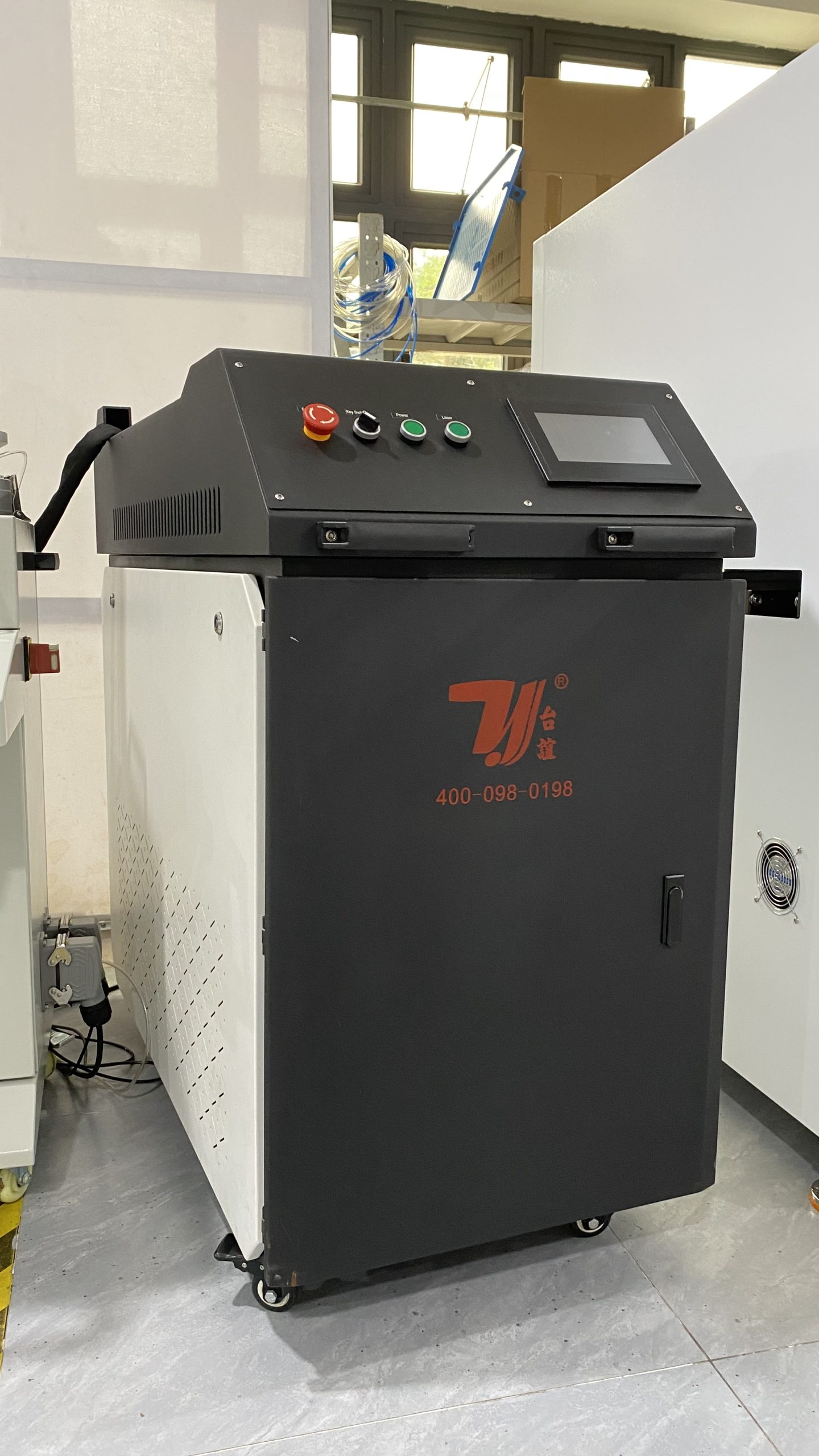
- Tailored Solutions: Configure machines from 3000W to 12kW, with fiber laser.
- Smart Process Integration: AI-driven parameter optimization and pre-loaded industry-specific cladding profiles (e.g., ASTM standards).
- Global Support: On-site training, 24/7 technical assistance, and spare parts logistics across 50+ countries.
- Certified Quality: CE, and industry-specific compliance (e.g., AS9100 for aerospace).
Reviews
There are no reviews yet.