


Laser Cladding Machines: Key Features
- High-Precision Energy Control
- Utilizes high-energy-density laser beams with precise intensity modulation, minimizing heat input and enabling localized processing.
- Ideal for heat-sensitive substrates to avoid distortion or microstructural damage.
- Extensive Material Compatibility
- Supports a wide range of materials, including metal alloys (nickel-based, cobalt-based, iron-based), ceramic composites, and custom blends.
- Enables tailored coatings for specific mechanical, thermal, or chemical resistance requirements.
- Minimal Heat-Affected Zone (HAZ)
- Focused laser beams ensure concentrated energy delivery, reducing thermal diffusion and preserving substrate integrity.
- Critical for thin-walled components, precision parts, and materials prone to thermal degradation.
- Metallurgical Bonding Strength
- Creates a fully fused, pore-free interface between the cladding layer and substrate, achieving bond strengths 3–5x higher than thermal spray methods.
- Eliminates delamination risks in high-stress environments.
- Adaptive Processing Flexibility
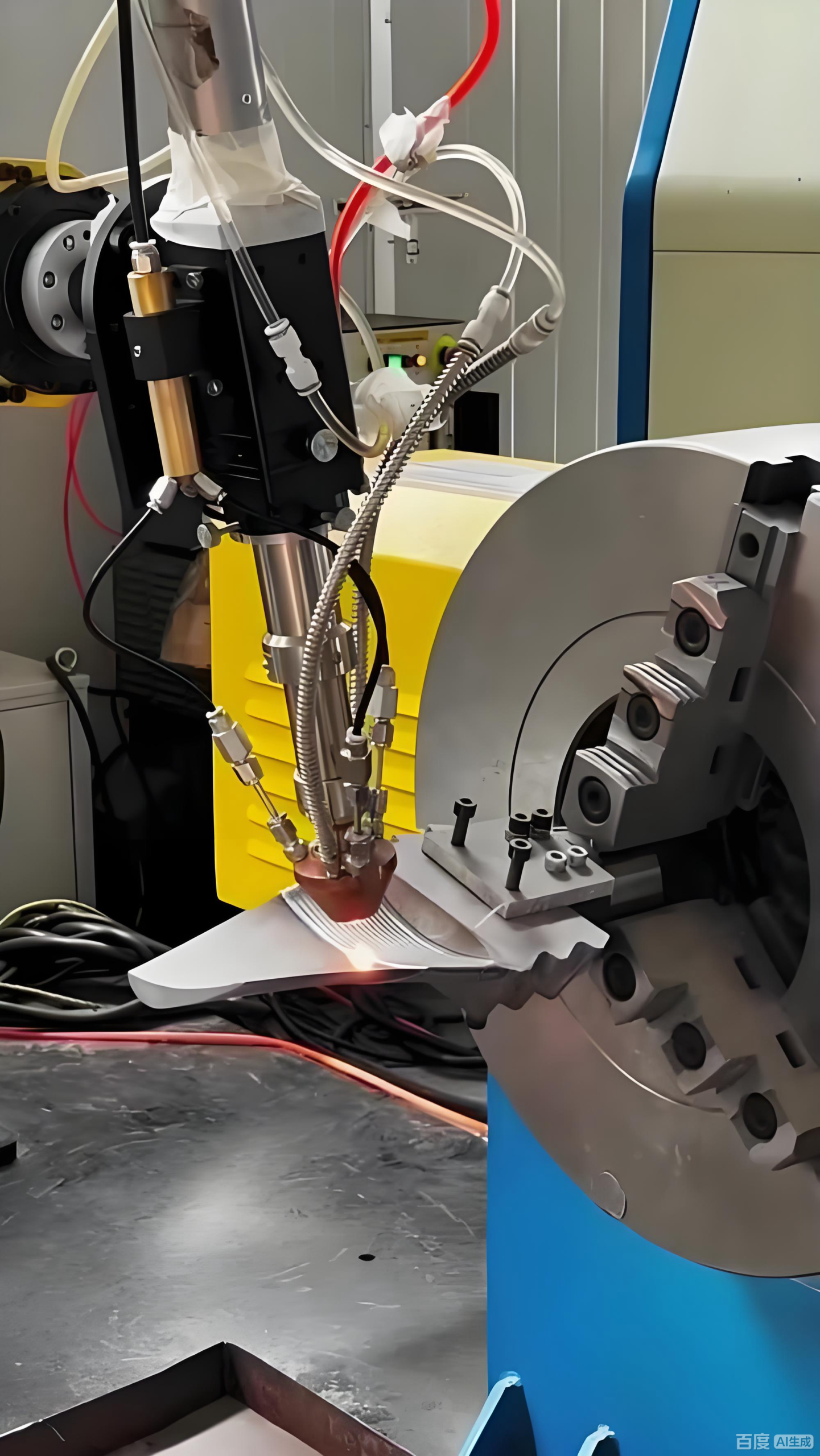
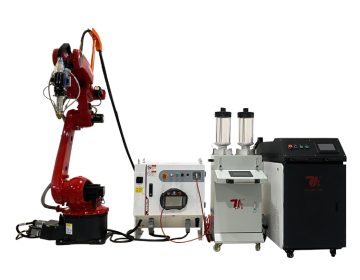
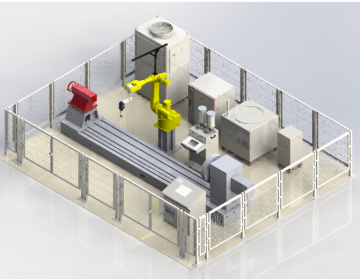
- Compatible with robotic arms, multi-axis CNC systems, and hybrid additive-subtractive workflows.
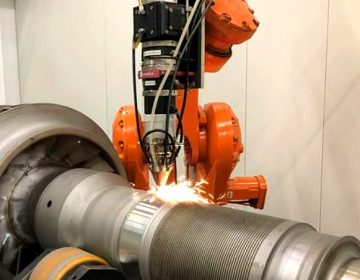
- Capable of cladding complex geometries (e.g., internal channels, turbine blades) with micron-level accuracy.
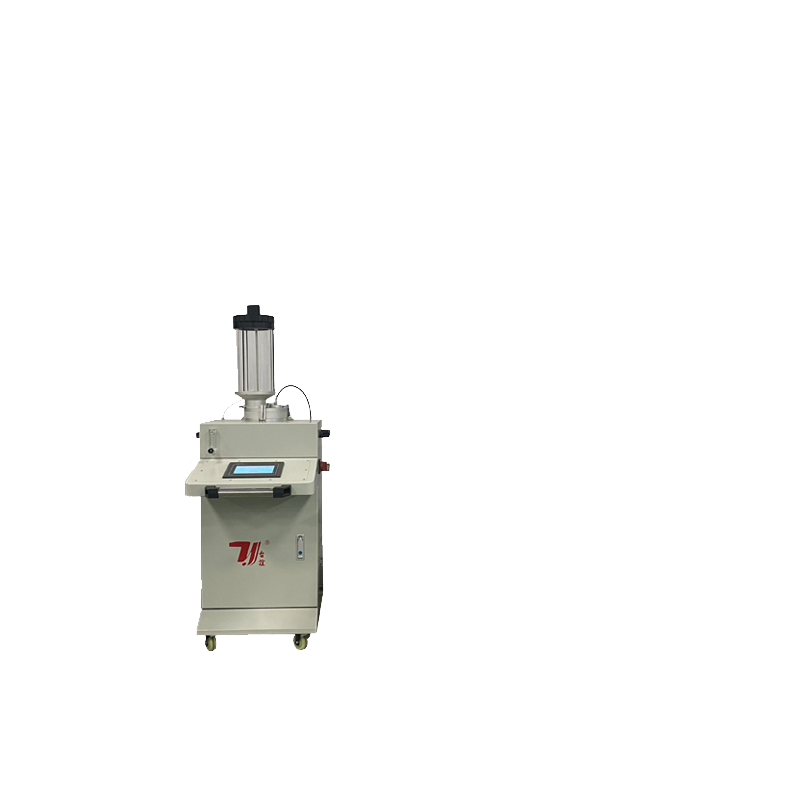
- Automated Powder/Wire Feeding
- Advanced coaxial or off-axis powder/wire delivery systems ensure uniform material distribution and process repeatability.
- Real-time monitoring and closed-loop control for consistent layer thickness and surface finish.
Core Advantages of Laser Cladding Technology
- Sustainability & Cost Efficiency
- Material utilization rates exceed 90%, drastically reducing waste compared to traditional methods.
- Enables “green remanufacturing” of high-value components (e.g., aerospace parts, industrial molds), cutting lifecycle costs by 40–60%.
- Dual-Purpose Functionality
- Restoration: Repair worn, corroded, or damaged parts (e.g., shafts, valves, dies) to original dimensions.
- Enhancement: Apply functional coatings (wear-resistant, anti-corrosive, thermal barrier) to extend service life.
- Superior Coating Performance
- Produces dense, crack-free layers with hardness up to 65 HRC and tailored porosity (<0.5%).
- Customizable microstructure via parameter optimization (e.g., laser power, scan speed, powder feed rate).
- Non-Contact, Low-Stress Process
- Eliminates mechanical tool wear and workpiece deformation, ideal for delicate components (e.g., medical implants, electronics).
- No post-process machining required in most cases.
- Rapid ROI for Industry 4.0
- Integrates with IoT-enabled platforms for predictive maintenance, remote diagnostics, and digital twin simulations.
- Reduces downtime by up to 70% in repair applications compared to part replacement.
Primary Industrial Applications
- Aerospace & Defense
- Repair turbine blades, engine housings, and landing gear components.
- Apply oxidation-resistant coatings (e.g., MCrAlY) for high-temperature jet engine parts.
- Automotive & EV Manufacturing
- Strengthen engine valve seats, piston rings, and transmission gears.
- Protect battery casings and motor components in electric vehicles with anti-corrosion layers.
- Oil, Gas, & Energy
- Rebuild drill bits, pump impellers, and pipeline valves with erosion-resistant alloys (e.g., Inconel, Stellite).
- Coat nuclear reactor components for radiation and corrosion resistance.
- Tooling & Mold Industry
- Repair and harden injection molds, die-casting tools, and extrusion dies.
- Apply nano-composite coatings to reduce friction and improve release properties.
- Medical & Dental Devices
- Create biocompatible layers on titanium hip/knee implants.
- Enhance wear resistance of surgical instruments (e.g., forceps, scissors).
- Heavy Machinery & Marine
- Restore mining equipment, hydraulic cylinders, and ship propellers.
- Apply anti-fouling coatings to offshore structures and submarine components.
- Electronics & Semiconductors
- Deposit conductive or insulating layers on precision components.
- Repair high-value RF/microwave parts with minimal thermal impact.
Why Partner with Us?
- Tailored Solutions: Configure machines from 3000W to 12kW, with options for fiber, diode, or hybrid lasers.
- Smart Process Integration: AI-driven parameter optimization and pre-loaded industry-specific cladding profiles (e.g., ASTM standards).
- Global Support: On-site training, 24/7 technical assistance, and spare parts logistics across 50+ countries.
- Certified Quality: CE, and industry-specific compliance (e.g., AS9100 for aerospace).
Recenzoj
Ankoraŭ ne estas recenzo.